Realme 14 Pro+ vs Samsung Galaxy F36
Realme 14 Pro+ edges it for most people

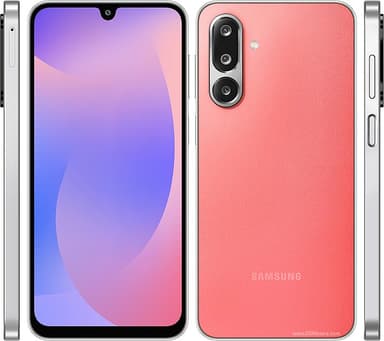
Best for
- PhotographyEither - too close to call
- GamingRealme 14 Pro+
- Battery lifeRealme 14 Pro+
- Keeping it for yearsSamsung Galaxy F36
- Watching videosRealme 14 Pro+
- Light and compactRealme 14 Pro+
Head to head
- Performance
Realme 14 Pro+ has the faster chip: Qualcomm SM7635 Snapdragon 7s Gen 3 against Exynos 1380.
- Gaming
Realme 14 Pro+ has the stronger graphics for games.
- Battery life
Realme 14 Pro+ should last longer: 6,000 mAh against 5,000 mAh, on a 4 nm chip against 5 nm. It also charges faster (80 W vs 25 W).
- Display
Samsung Galaxy F36 has the better screen: Super AMOLED panel.
- Camera
- Durability
Samsung Galaxy F36 is ahead on durability: build materials Glass front (Gorilla Glass Victus+), plastic frame, silicone polymer back (eco leather) against Glass front (Gorilla Glass 7i), plastic frame, plastic back.
- Longevity
Samsung Galaxy F36 should get software updates for about 2.7 more years, against about 1.2 for Realme 14 Pro+.
- Storage
Samsung Galaxy F36 has a memory card slot; Realme 14 Pro+ does not.
- Connectivity
- Size and weight
- Extras
Realme 14 Pro+ is ahead on extras: speakers Yes, with stereo speakers against Yes.
All specifications
Questions people ask
Which is better, Realme 14 Pro+ or Samsung Galaxy F36?
Realme 14 Pro+ edges it for most people. Realme 14 Pro+ wins on performance, gaming, battery life and extras; Samsung Galaxy F36 wins on display, durability, longevity and storage.
Which is faster, Realme 14 Pro+ or Samsung Galaxy F36?
Realme 14 Pro+ has the faster chip: Qualcomm SM7635 Snapdragon 7s Gen 3 against Exynos 1380.
Which is better for gaming, Realme 14 Pro+ or Samsung Galaxy F36?
Realme 14 Pro+ has the stronger graphics for games.
Which has the better battery life, Realme 14 Pro+ or Samsung Galaxy F36?
Realme 14 Pro+ should last longer: 6,000 mAh against 5,000 mAh, on a 4 nm chip against 5 nm. It also charges faster (80 W vs 25 W).
Which has the better screen, Realme 14 Pro+ or Samsung Galaxy F36?
Samsung Galaxy F36 has the better screen: Super AMOLED panel.
Which is tougher, Realme 14 Pro+ or Samsung Galaxy F36?
Samsung Galaxy F36 is ahead on durability: build materials Glass front (Gorilla Glass Victus+), plastic frame, silicone polymer back (eco leather) against Glass front (Gorilla Glass 7i), plastic frame, plastic back.
Which will last more years, Realme 14 Pro+ or Samsung Galaxy F36?
Samsung Galaxy F36 should get software updates for about 2.7 more years, against about 1.2 for Realme 14 Pro+.
Which has more room, Realme 14 Pro+ or Samsung Galaxy F36?
Samsung Galaxy F36 has a memory card slot; Realme 14 Pro+ does not.
Which has more extras, Realme 14 Pro+ or Samsung Galaxy F36?
Realme 14 Pro+ is ahead on extras: speakers Yes, with stereo speakers against Yes.
Which is better for battery life, Realme 14 Pro+ or Samsung Galaxy F36?
Realme 14 Pro+ scores higher for battery life.
Which is better for keeping it for years, Realme 14 Pro+ or Samsung Galaxy F36?
Samsung Galaxy F36 scores higher for keeping it for years.
Which is better for watching videos, Realme 14 Pro+ or Samsung Galaxy F36?
Realme 14 Pro+ scores higher for watching videos.
Scores are out of 10 against products released in the last two years, worked out from published specs. Prices are averages of what sellers quoted.